
Feel like you’re having an existential crisis? There’s something in the air right now. In 2026, one in three people in the US say they’re going through one. We won’t go into the minutae of why, for fear of nudging that figure even higher, but the reasons range from personal to professional to political – everyone has their own reason. But know you’re not the only one.
If you’re not ready to talk about it IRL yet (though you probably should), or you feel as though you need further examples to confirm you’re having said crisis, might we suggest a literary companion? There’s nothing like a book to hold up a mirror to your own psyche, after all.
Enter Cyrus Shams, central protagonist of Martyr!, Dua’s Monthly Read for September. He’s a recovering addict and poet, and he’s definitely having an existential crisis. He’s searching for an identity, a belief system and an opportunity to make his life matter. He’s going through a lot – and you can’t help but love him. A good thing, since he’ll be with you, providing potentially relatable (but hopefully more extreme) spirals for 352 pages.
Once you’ve finished Martyr!, here are ten more books that will provide comfort in the throes of your own internal crisis, be the reality check you need, or at least make you feel less alone. Regardless, you’re in for a great read.
What Am I, A Deer? by Polly Barton
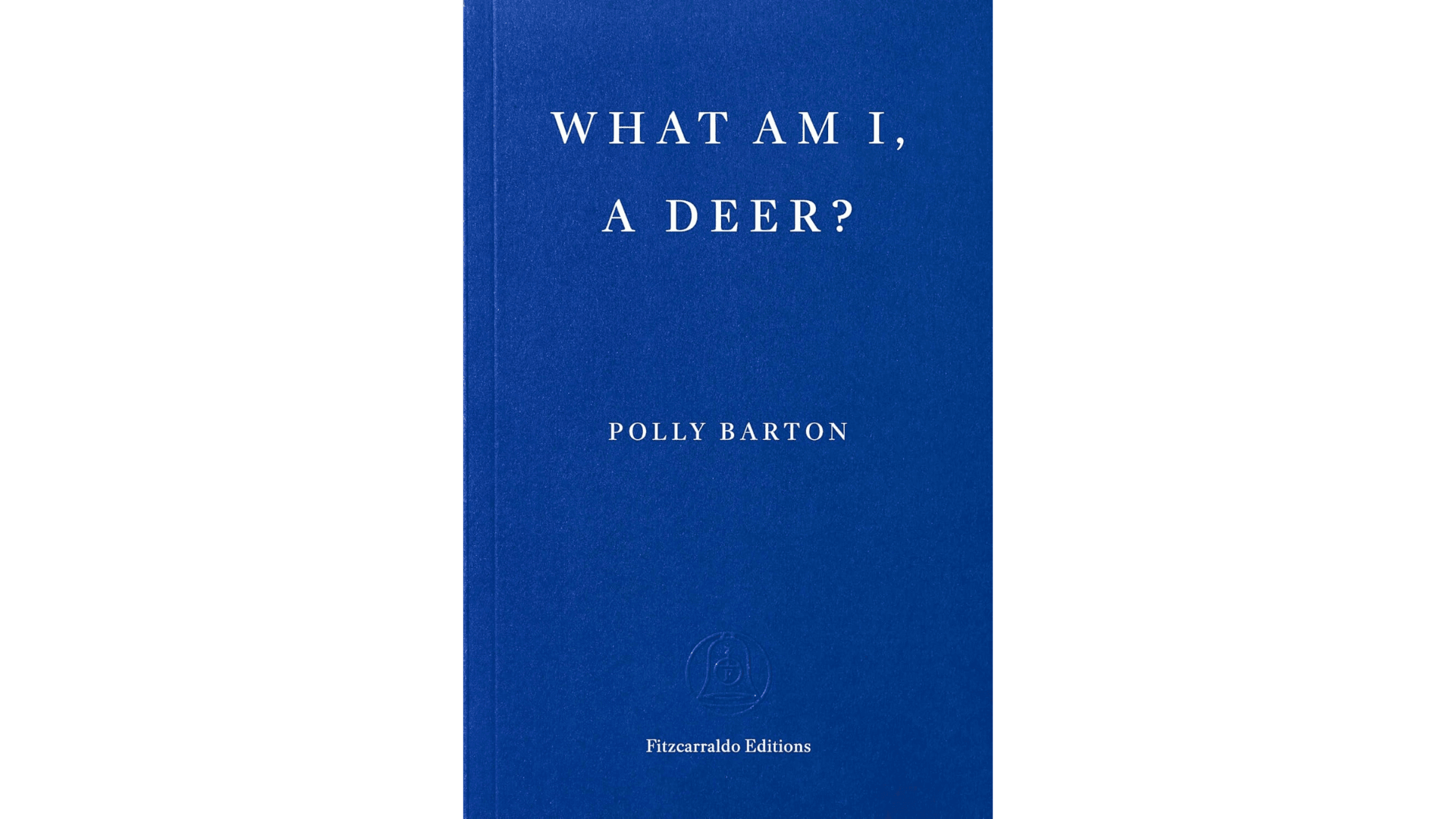
The English translator of Butter and author of Porn: An Oral History and Fifty Sounds, recently released her debut novel. You’re in for a ride. Her unnamed narrator moves to Frankfurt to work as a translator at a gaming company and, among the relative dreariness of the office, develops an all-consuming work crush. This is one for the no-plot-just-vibes lovers: the sprawling stream-of-consciousness style considers autonomy, uprootedness and our old friend, limerence. If you’re feeling existential and yearnful, you’ll find a companion in this novel.
Waist Deep by Linea Maja Ernst, translated by Sherilyn Nicolette Hellberg
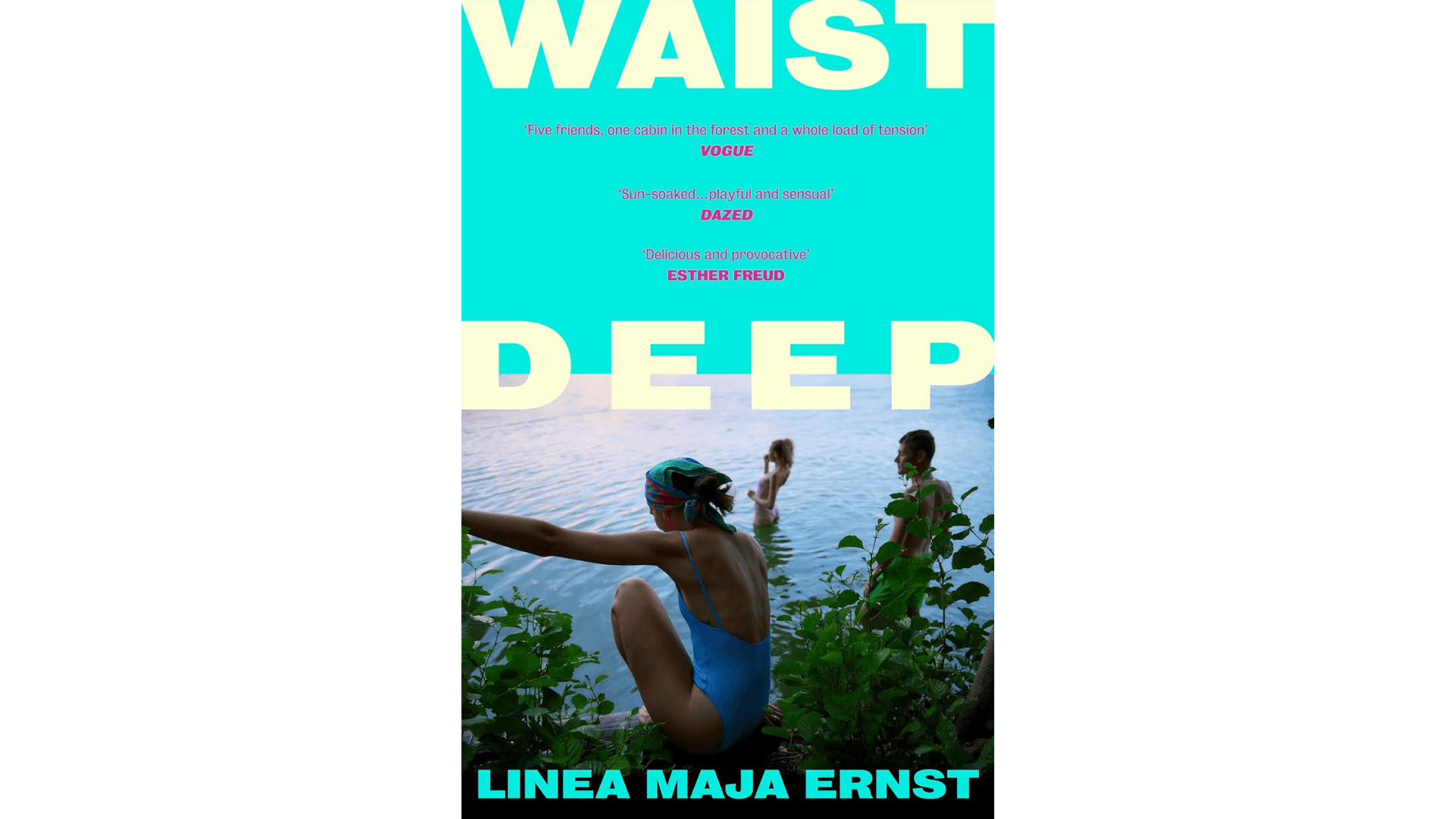
Dreamer and idealist Sylvia is spending a week in a summer cabin in rural Denmark with her friends from university. Sylvia is exasperated that they can’t recapture the heyday of their wild youth – couples are drearily monogamous, kids are in tow, and then Karen and Esben announce their wedding. The news shatters Sylvia, who has managed to keep her painful, years-long crush on Esben a secret from her girlfriend, Charlie. Drama, of course, ensues. A crash course in why you shouldn’t get so existential that you try to sleep with your friends.
Honey by Imani Thompson
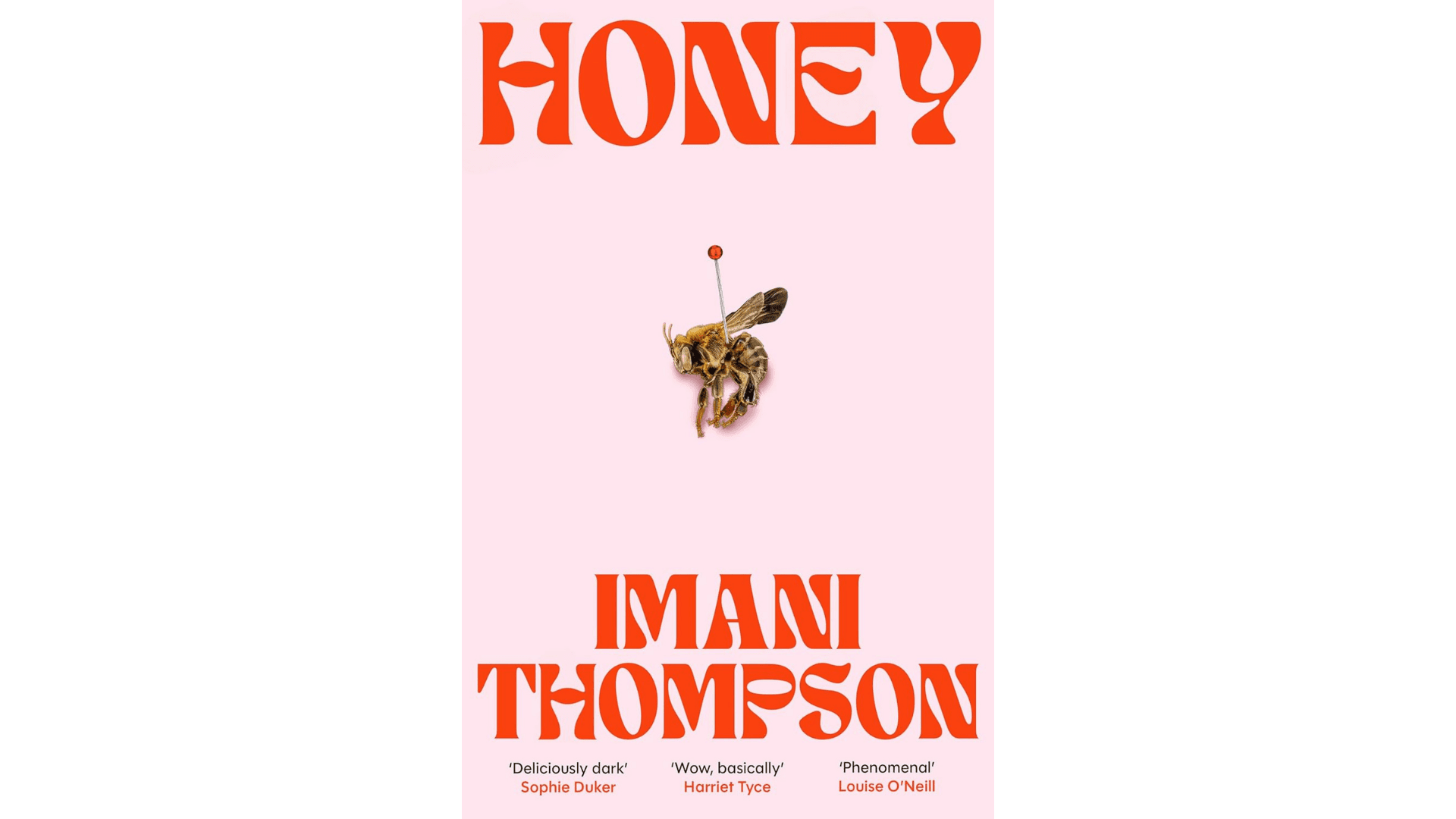
Yrsa is profoundly bored – of academia, of being nice, of men. What’s the point of it all? Her existentialist feelings are finally given an outlet when a friend’s PhD research is stolen by the professor with whom she is having an affair. When Yrsa accidentally kills the man who’d wronged her friend via a well-timed bee sting, she suddenly feels alive. And when she kills again, she justifies it as intellectual bloodlust, something akin to a public service. She’s taking terrible men off the earth for the greater good... right?
Colony by Annika Norlin, translated by Alice E Olson
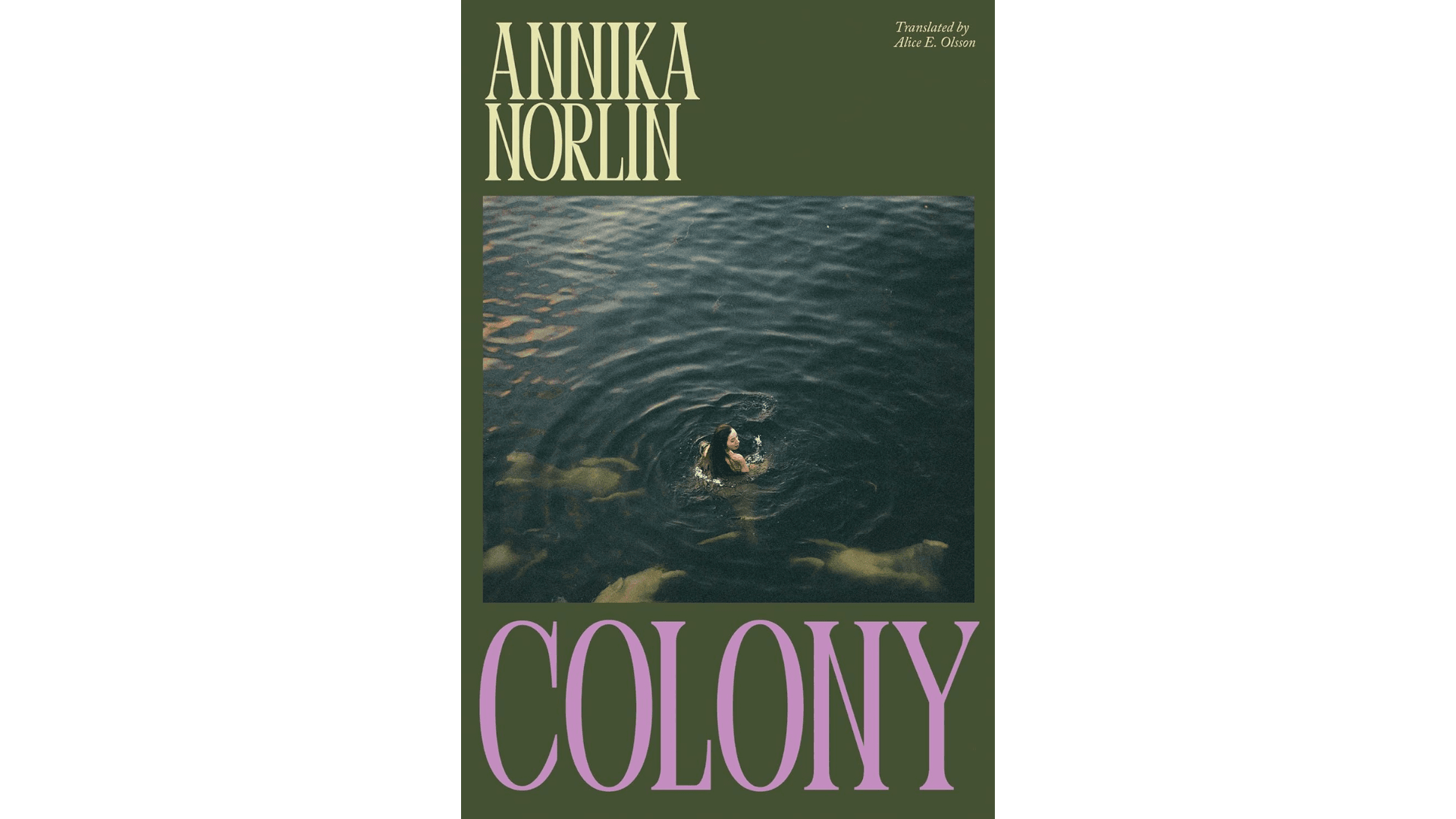
If you’re feeling so existential you’re considering joining a cult, Annika Norlin’s Colony might be just the thing to put you off. Thriller-like and haunting, it slowly unravels the backstories of a set of misfits who’ve all rejected society and found community in the woods. Emilie, a journalist recovering from serious burnout, intrudes and sparks discord, becoming fascinated by the strange personalities. If this isn’t a warning of the dangers of an existential crisis, I don’t know what is.
Queenie Is Working On It by Candice Carty-Williams
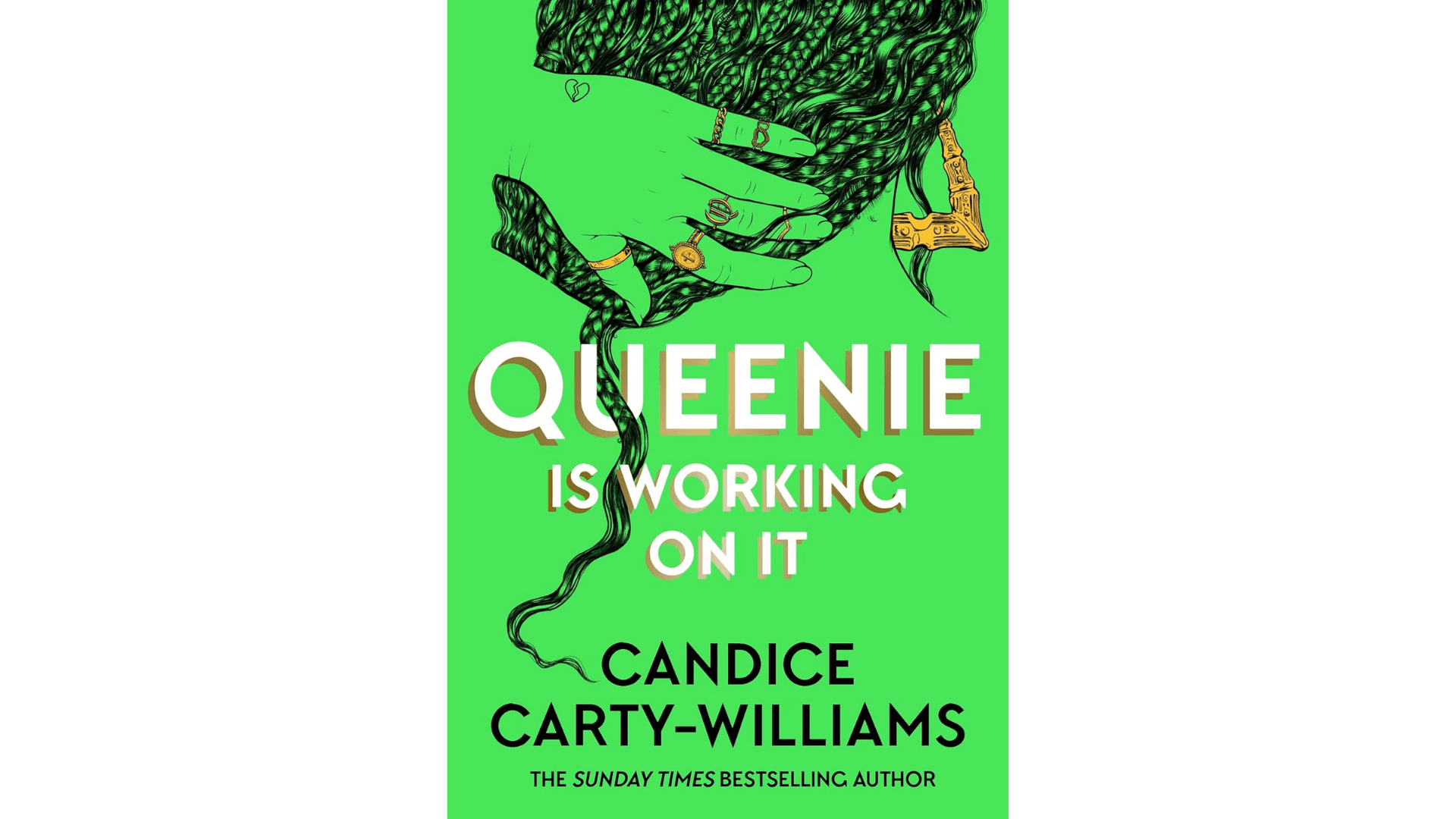
You may be familiar with Candice Carty-Williams’s Queenie – her twentysomething journalist protagonist working out life. A decade later, Queenie Is Working On It in this follow-up, which came out earlier this year. Now, she’s facing 33-year-old problems: her family wondering when she’s going to settle down, fertility issues and balancing a high-powered career. Queenie is charming, funny and still working things out – the perfect companion to a mid-thirties crash-out.
The Buddha Of Suburbia by Hanif Kureishi
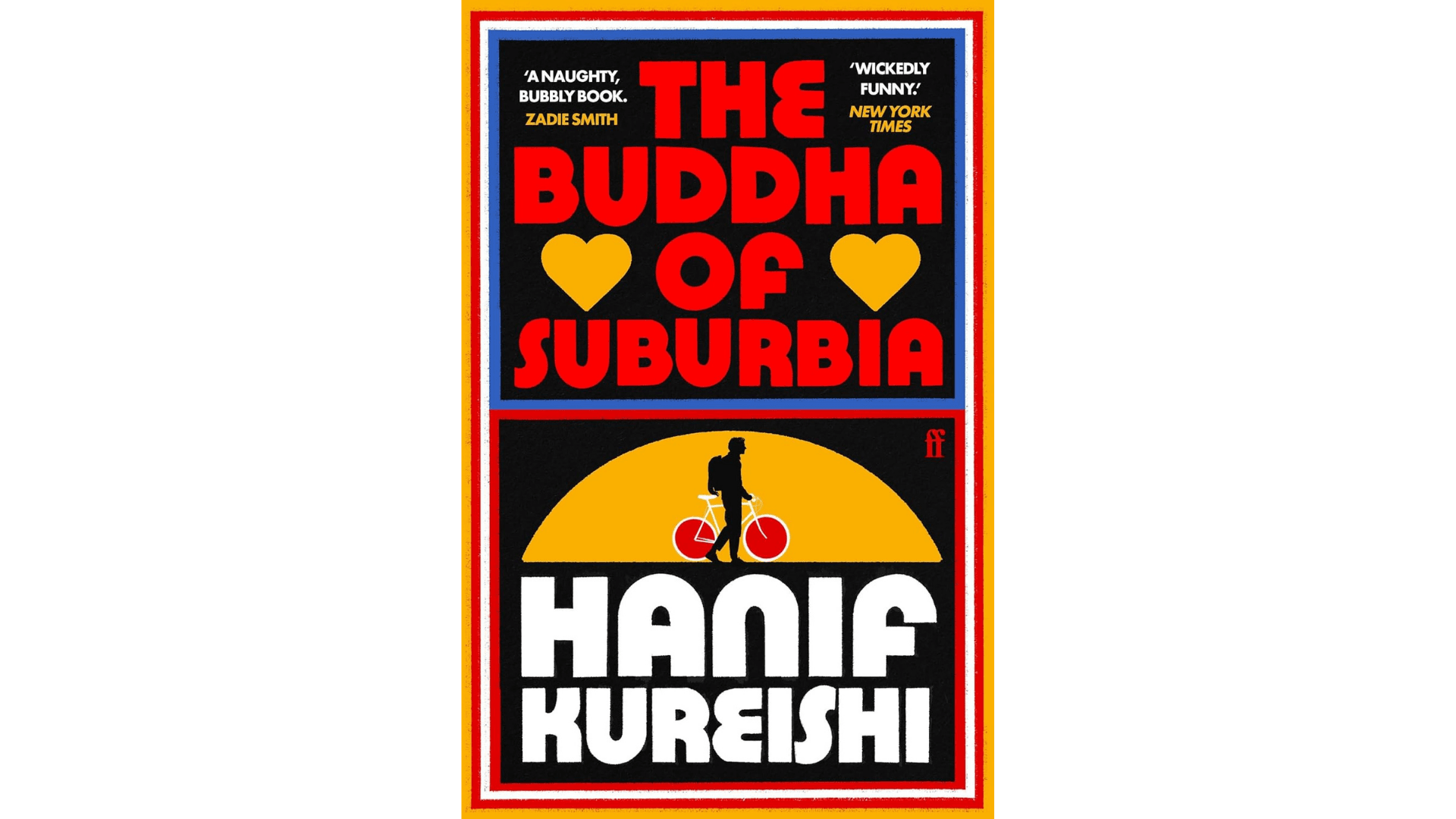
Like Cyrus in Martyr!, Karim in The Buddha Of Suburbia is the queer, mixed-race son of immigrants. Desperate to escape suffocating south London, he takes an acting job in New York, where he meets many interesting and morally grey characters, before moving back to London to take a part in a TV soap. The titular Buddha of Suburbia is in fact Karim’s father, a man of Indian descent living in London who becomes his community’s Buddha-like guru. Highly realist and threaded through with 1970s pop music, this smart coming-of-age story considers cultural hybridity and the forging of identity. You’ll fall in love with it.
All Fours by Miranda July
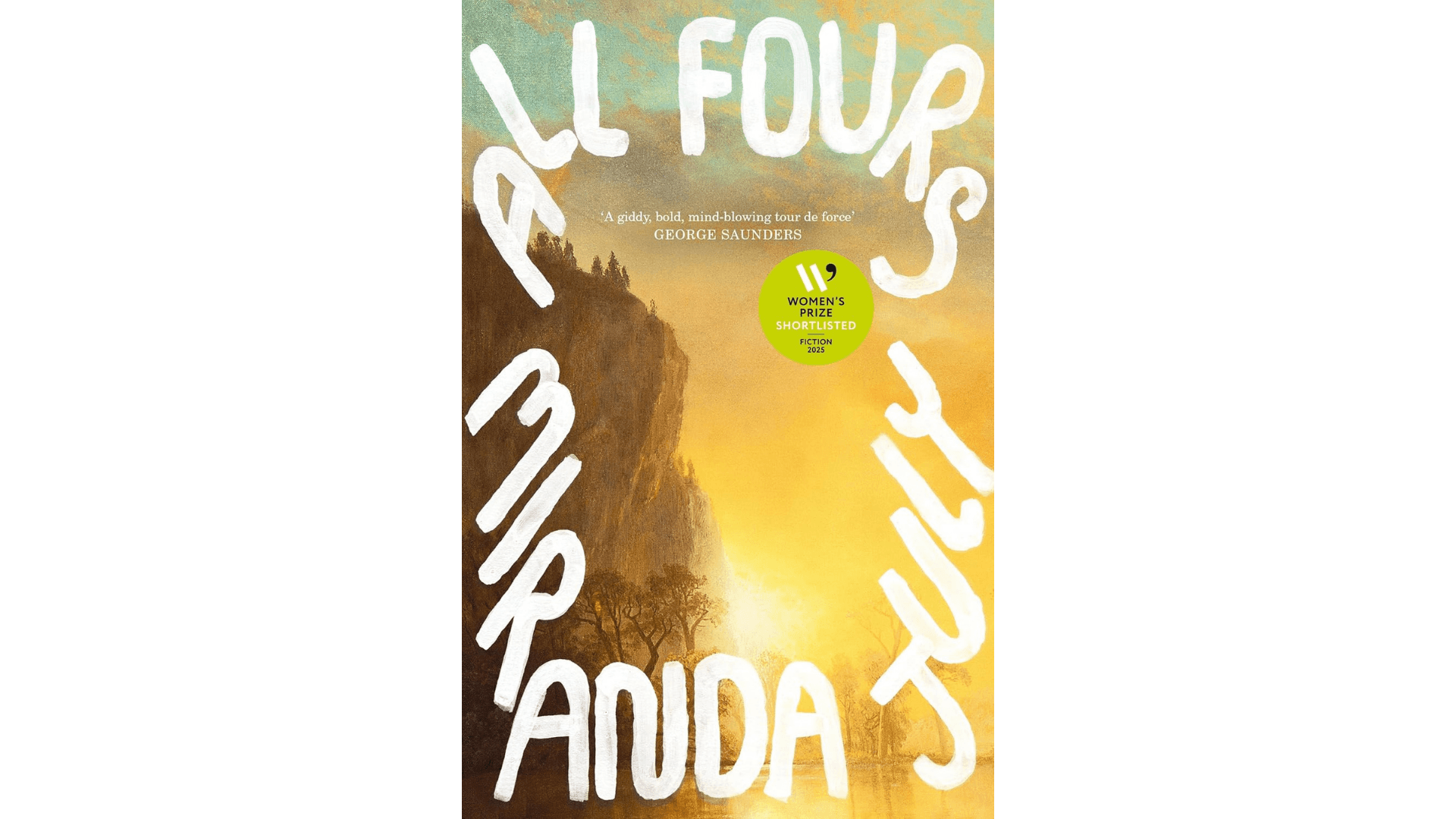
Where to start describing this story? It’s got a complicated, often unlikeable middle-aged protagonist contemplating her mortality (and menopause); a nuanced depiction of a marriage in decline; a passionate yet (technically) unconsummated affair; polyamory and, um, the extensive redecoration of a motel room. It’s a midlife crisis novel like no other – subversive, unexpected and endlessly thought-provoking.
Intermezzo by Sally Rooney
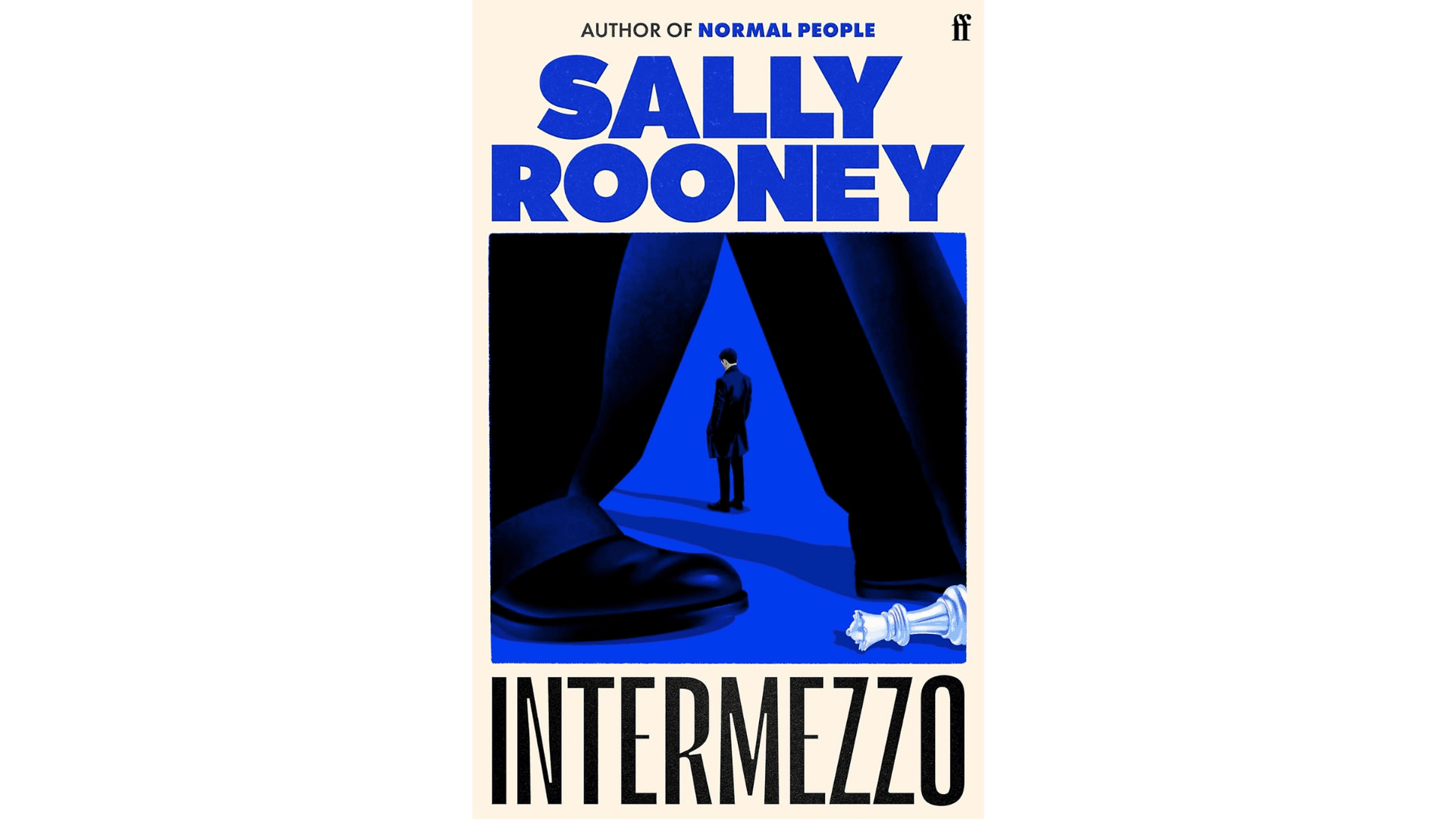
A poignant tale about bereavement, brotherhood and romantic relationships, following beautifully flawed brothers Peter and Ivan after the death of their father. Peter is a successful lawyer in his thirties, but in his grief, he’s juggling relationships with two different women and medicating himself to sleep. Ivan is a socially self-conscious competitive chess player in his twenties who thinks of himself as the antithesis of his slick elder brother. In the weeks following his father’s death, Ivan starts a relationship with a woman nearly 15 years older than him, who is emerging from her own challenges. For both brothers and the people closest to them, this is a period of love, loss and new beginnings.
Kim Jiyoung Born, 1982 by Cho Nam-ju
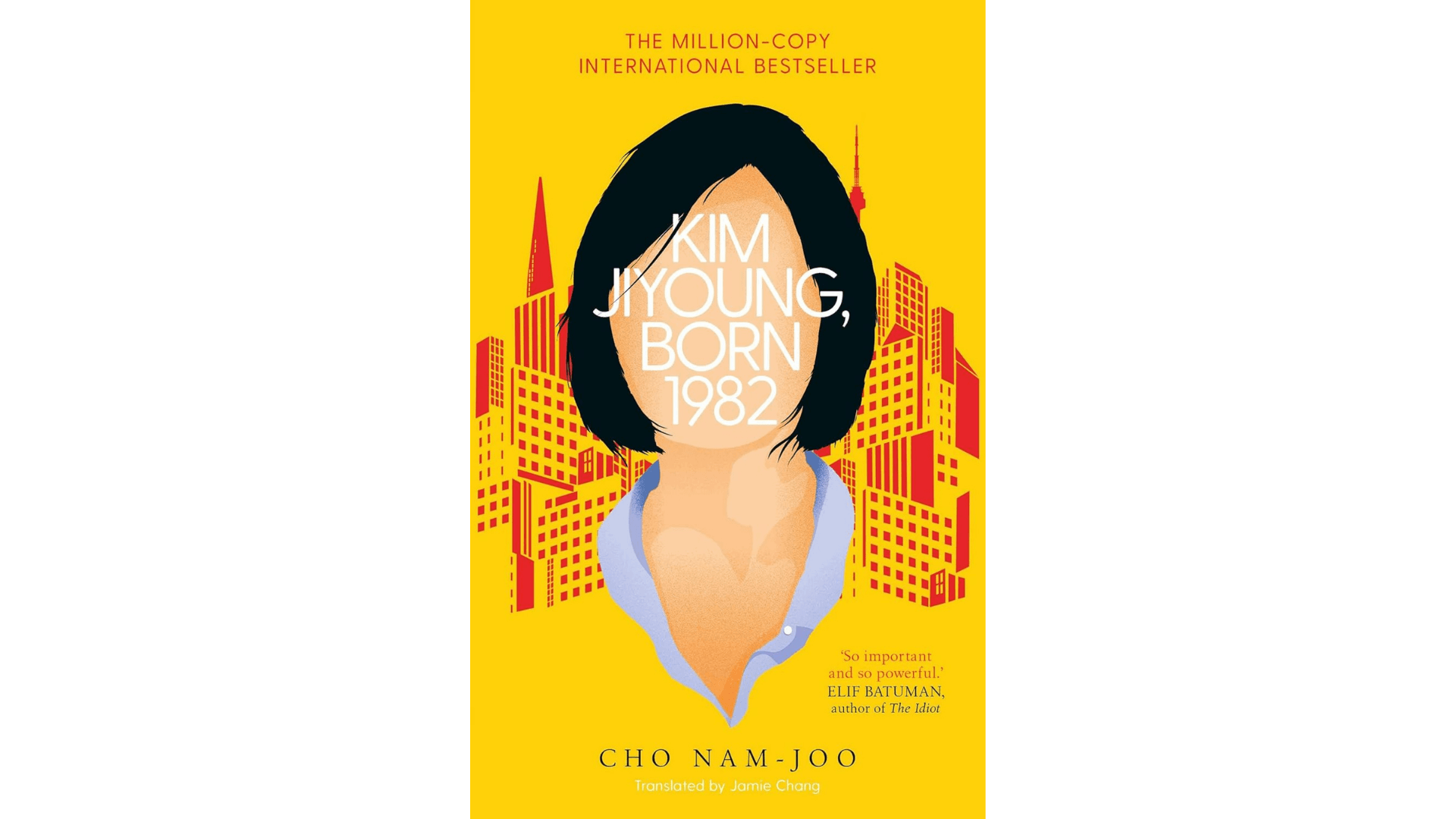
This is the novel that inspired the feminist 4B movement in South Korea, which sees a growing number of women opting for a life without men. Layer by layer, this book reveals how the daily experiences of sexism, inequality and misogyny send a successful young woman into a state of psychosis. One for anyone grappling with the navigation of a society that still hasn’t fully reckoned with gender equality and questioning whether it’s just you – or the world.
The Girls by Emma Cline
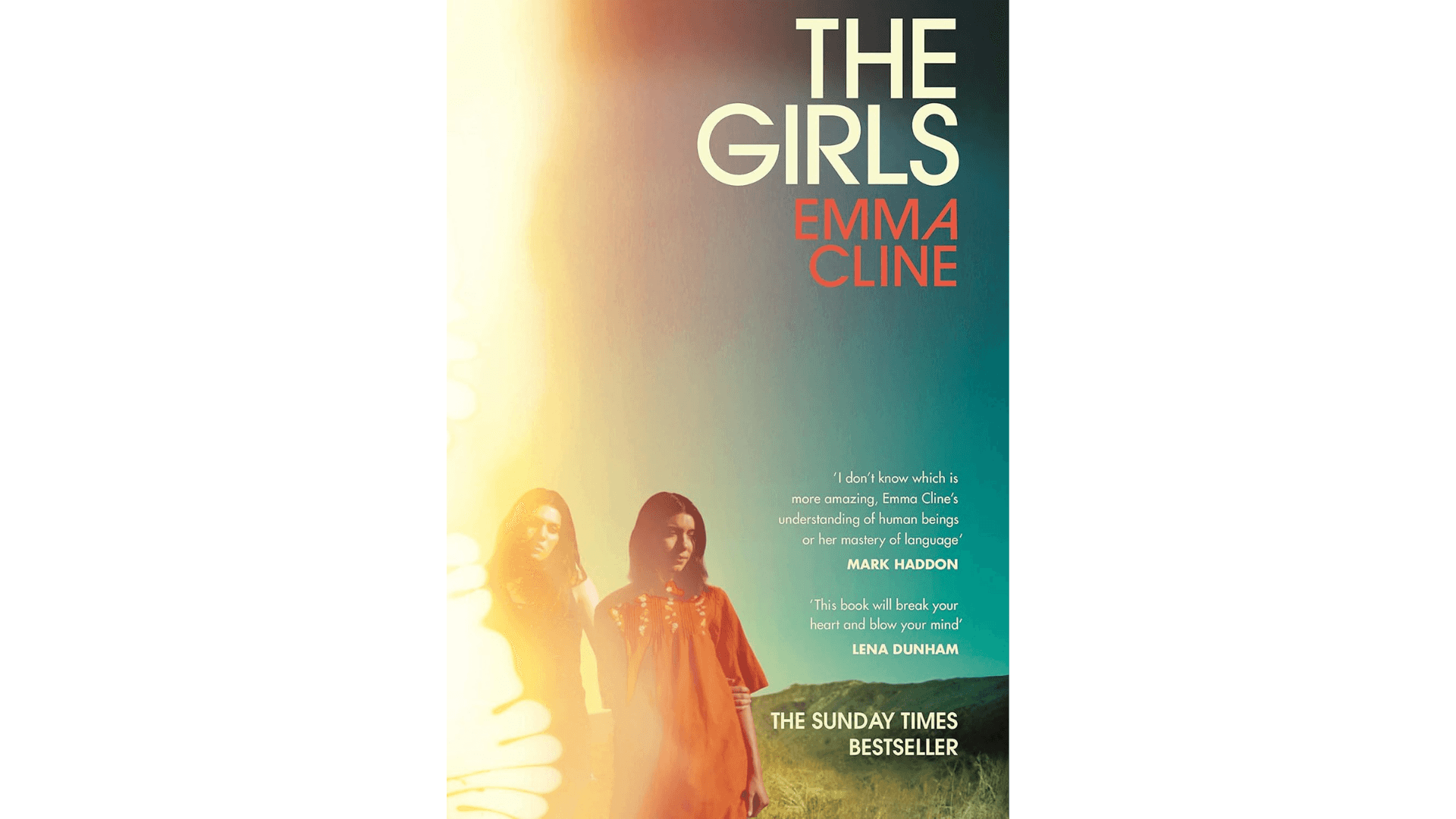
Luckily, not all teenage angst leads to joining a murderous cult, but the sinister undertow of this evocative novel lies in the real-life Manson family of the 1960s. A dark twist on a classic coming-of-age story, it’s for anyone reassessing their life or struggling to find their place on this planet, and who can take some comfort in the fact that they haven’t gone as far as this to find it.